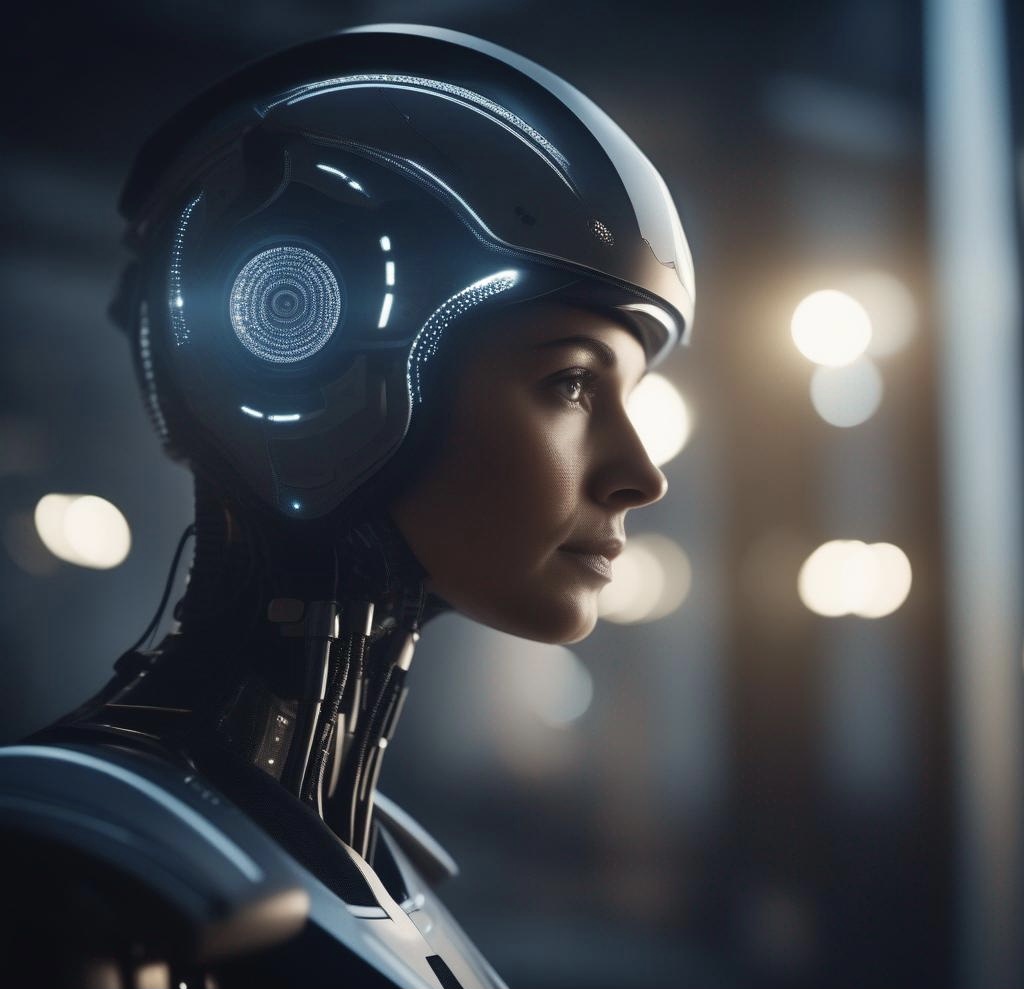
The world of content creation has fundamentally shifted. For years, I specialised in the written word – articles, books, and long-form narratives, and spent a lot of time sourcing or editing images. Yet, I always dreamed of the day I could transform those narratives and visual concepts to life.
Today, thanks to generative AI, that dream is no longer an aspiration but a reality. I can now move from simply writing a book or article to instantly bringing its characters and scenes to life through dynamic images and short film concepts.
This monumental change affects every creator, from the solo freelancer to the largest global enterprise. The power to visualise, iterate, and scale creative output has never been greater, and understanding how to harness tools like AI image and video generation is the new prerequisite for success – no huge investment in technology or Hollywood-style studio necessary.
Maximising Your Creative Output with AI Platforms
While many professional tools require significant investment, frontier platforms like Google’s Gemini and smaller ones like Leonardo AI offer free tiers for powerful image generation. The key to turning these free tools into a high-octane creative partner lies in smart usage and iteration:
- Master the Prompt: Think of your prompt as a director’s brief. The more detail you provide about setting, lighting, emotion, and style (e.g., “High definition image like in the movies”), the better the result.
- Embrace Iteration: Rarely is the first result the final one. Don’t be afraid to ask for small, incremental changes. Iterative prompting—asking for adjustments like adding a specific hairstyle or changing the time of day—saves time and rapidly steers the AI toward your vision.
- Understand Technical Limits: Pay attention to rate limits. Instead of generating 10 variations of one idea in quick succession, focus on getting the core idea right, then refine it.
We’ll be sharing a funny selection of our image generations soon, don’t miss out, we can guarantee a few wow moments and belly laughs as we walk you through the important steps of mastering the prompt and iteration – and how only a non-human entity can manage to get it so right yet so wrong!
The AI Visual Revolution: Brands Leading the Charge
It’s no secret that the AI revolution is big business, we’ve hit on a few key predictions in recent years, showing how big business was already adopting AI imagery back in the early 2020s. In 2025, the shift to AI-generated visuals is not just a trend; it’s a seismic shift in the global economy.
The entire Generative AI market value grew nearly sevenfold (over 690%) between 2020 and 2023, and the AI Image Generator market alone is projected to exceed £50 billion by 2030. This rapid adoption is driven by major companies that need speed, personalisation, and scale.
- Advertising and E-commerce: Companies like Amazon Ads are proving the direct ROI of generative imagery. They found that using AI to create lifestyle images (showing a product in a real-world setting) can increase advertiser campaign submissions by over 20%. In some tests, AI-generated lifestyle images saw a 40% higher click-through rate (CTR) compared to standard product photos.
- Automotive and Design: Car manufacturers are using AI far beyond marketing. General Motors (GM), in partnership with Autodesk, used generative design AI to create a seatbelt bracket that was 40% lighter and 20% stronger than the original. On the marketing side, Hyundai has launched major campaigns like “Open for Imagination,” allowing customers to visualise their new models in fantasy travel destinations. Meanwhile, Volvo created an entire AI-generated advertisement that cut production time from months to mere weeks.
- Finance and Personalised Marketing: Even risk-averse sectors like finance are embracing generative tools. JPMorgan Chase (JPMC) uses advanced AI for fraud reduction, and other major firms use it for personalised customer engagement and generating bespoke marketing content for different demographics, ensuring compliance while rapidly scaling their outreach.
The Future of Content: From Static Text to Dynamic Film
Personally, the most exciting development is the shift from static image generation to dynamic video. With over 15 billion images created by text-to-image algorithms in a single year (2022–2023), the capacity for content is nearly limitless. Today, when the official stats come in, I bet that amount will have doubled.
What this means is the ability to generate such an amount of content democratises film and animation, allowing content creators to prototype films, commercials, and cinematic trailers with a speed previously reserved only for large studios.
For content creators like me (or anyone wanting a shot at making their own videos), this means the barrier between the idea and the final visual asset is collapsing. Whether you need a hyper-realistic image of a client’s product on an exotic beach or a short video clip illustrating gaming assets, AI is the tool that can deliver it today, not in the future.
Conclusion: Awesome Imagery
The era of relying solely on expensive, slow, and complex production cycles is over. The rise of AI is not about replacing human creativity; it’s about radically enhancing it. For my freelance business, this technology is the engine that allows me to transition seamlessly from article writing to full-spectrum visual content creation, helping clients not just tell their story but show it.
If you are looking to unlock the creative potential of AI to visualise your brand, streamline your campaigns, or bring a complex narrative to life, the time to partner with an AI-savvy creator is now.